


Lesson 3 of 7
The Language of Story and Symbol
Stories are carriers of knowledge. They hold what plain words let slip.
Matthew 13:34
Without a parable spake he not
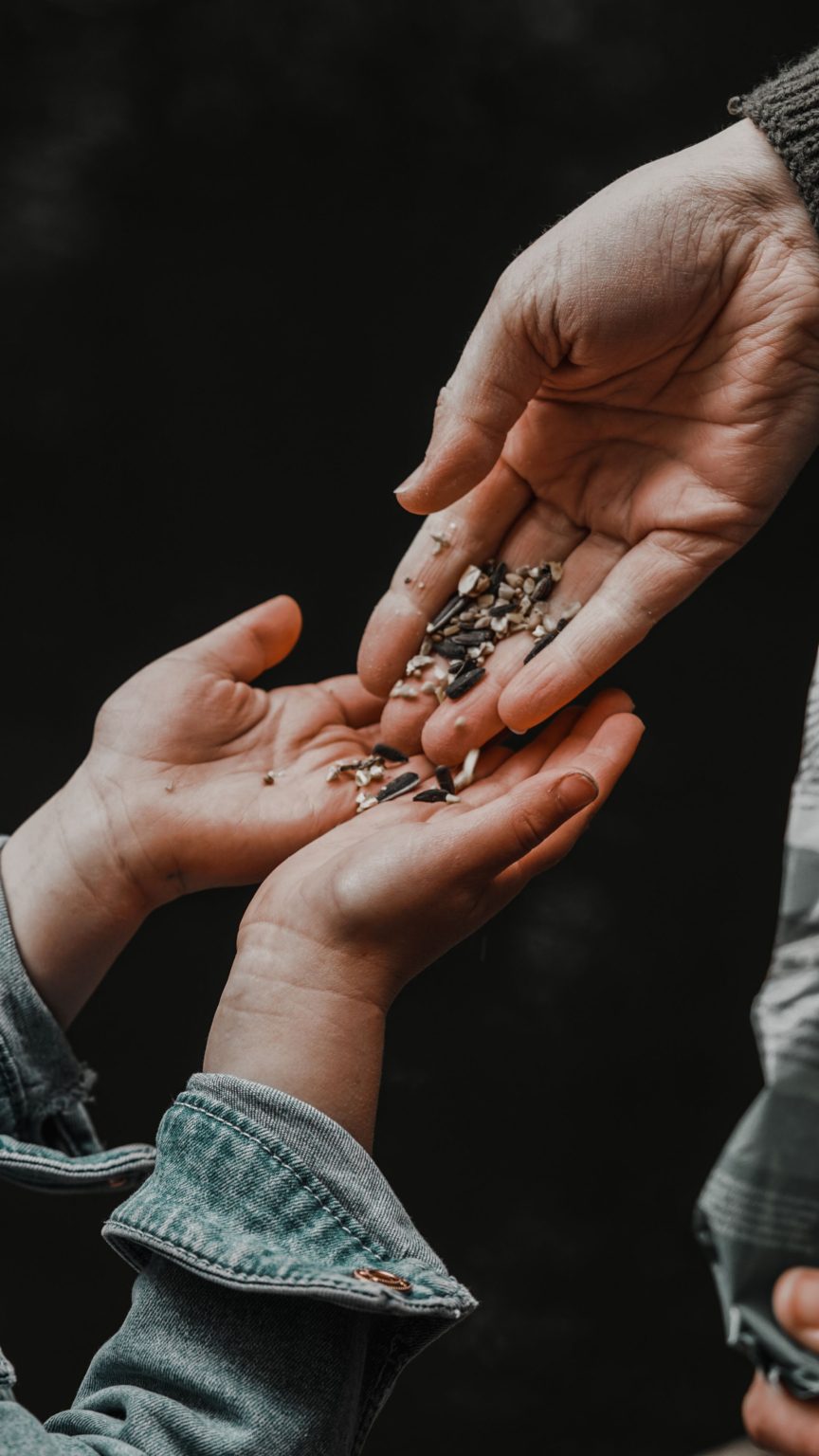
A parable is a seed. Each time we return to it, it grows something new in us.
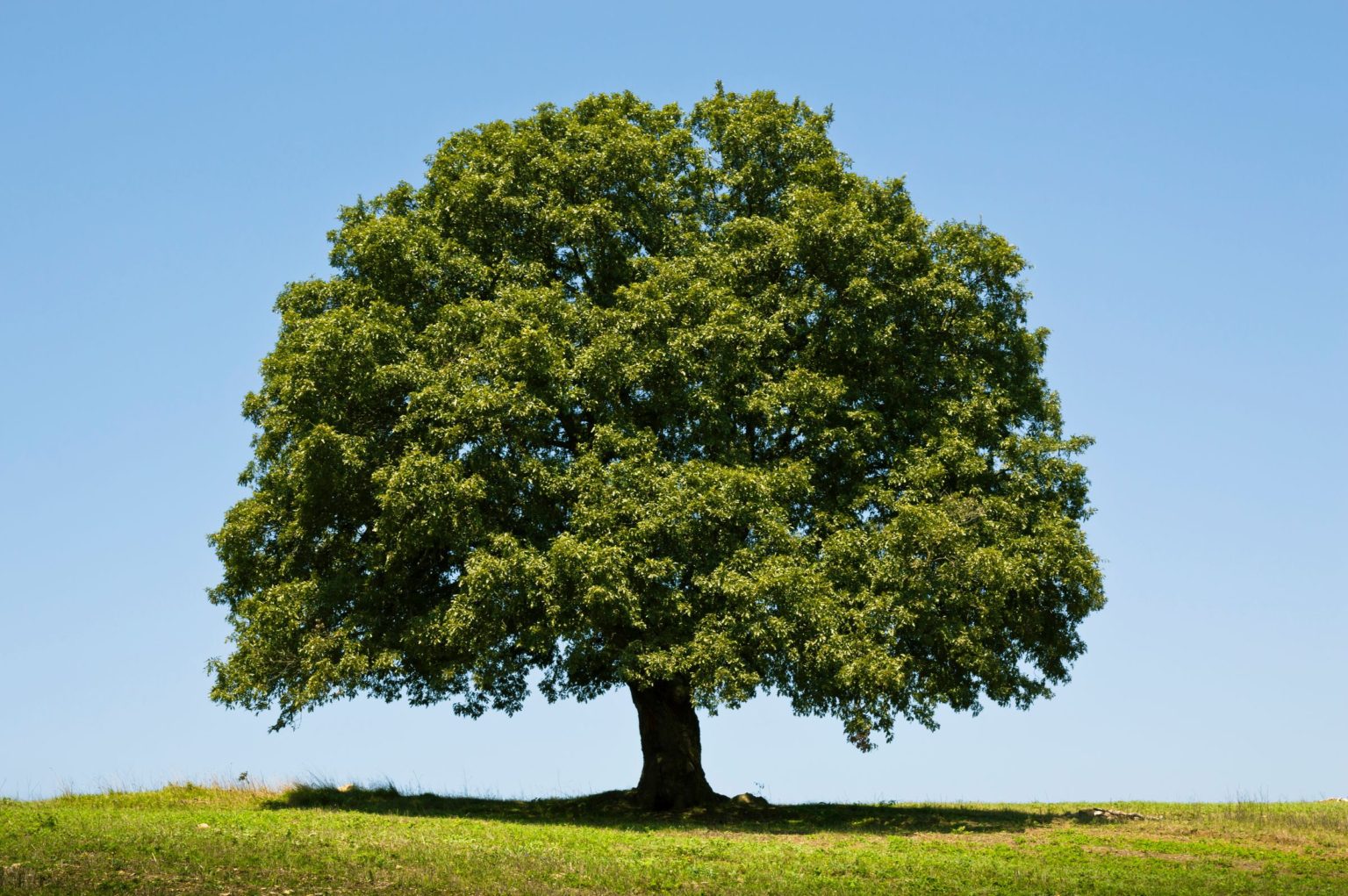
The World Tree
Rooted deep, reaching for the light
From Yggdrasil to the tree of life, one image runs through many traditions.
This week
Live with a small seed
Read the parable of the mustard seed slowly, on three different days.
Stories are carriers of knowledge. They hold truths that would slip through our fingers if we tried to state them plainly. That is why so much of our time together is spent telling and exploring stories: biblical parables, Gnostic texts, and sacred myths from cultures around the world.
Jesus knew this. The Gospel of Matthew says that “without a parable spake he not unto them” (Matthew 13:34). A parable is not a puzzle with one right answer. It is a seed. Each time we return to it, it grows something new in us.
Reading on more than one level
Early Christian teachers read scripture on several levels at once. You can try the same with any sacred story:
- The story itself. What happens, to whom, and where?
- The lesson. What does it teach about how to live?
- The symbol. What might each person, place or object stand for?
- The inner meaning. Where does this story happen inside me?
Take the World Tree, Yggdrasil, from Norse myth. On the surface it is a great ash tree. As a symbol, it joins the heavens, the earth and the world below. As an inner teaching, it asks how we might be rooted deeply and still reach toward the light. The same image appears in many traditions, from the tree of life in Genesis to the cross itself. Seeing these echoes between traditions is part of our study: it shows us the shared truths at the heart of the Mysteries.
Why we make things with our hands
After a story, we often make something: a symbol from natural materials, a drawing, a simple craft. This is not decoration. Working with the hands lets the story move from the head into the body, where it can be remembered for years.
At home: living with a parable
Read the parable of the mustard seed (Matthew 13:31–32) slowly, three times, on three different days. The first day, picture the story. The second day, ask what it teaches. The third day, ask where the tiny seed is in your own life.
In your journal
Which of the four levels came most easily to you? Which felt strange? What did the seed come to mean for you?
Bring to the circle
A story, from any tradition or from your own family, that has stayed with you since childhood.
← Lesson 2: The Book of NatureAll lessonsLesson 4: As Above, So Below →