

Lesson 2 of 7
The Book of Nature
God revealed in leaves, water, stone and starlight.
Psalm 19:1
The heavens declare the glory of God
“…and the firmament sheweth his handywork.”
Job 12:7
Ask the beasts, and they shall teach thee
Reading the land is less about knowing names and more about paying attention.
This week
Find your sit spot
Fifteen minutes, three times this week. Watch, listen, and notice one new thing.
For centuries, Christian teachers spoke of two books through which God speaks: the book of scripture and the book of nature. We read both at Crossing Hedgerows. The first is written in words; the second is written in leaves, water, stone and starlight.
Scripture itself points us outdoors. “The heavens declare the glory of God; and the firmament sheweth his handywork” (Psalm 19:1). “Ask now the beasts, and they shall teach thee; and the fowls of the air, and they shall tell thee” (Job 12:7). Paul writes that the invisible things of God “are clearly seen, being understood by the things that are made” (Romans 1:20). And in the Gospel of Thomas, Jesus says: “Split a piece of wood, and I am there. Lift up the stone, and you will find me there.”
Learning to read the land
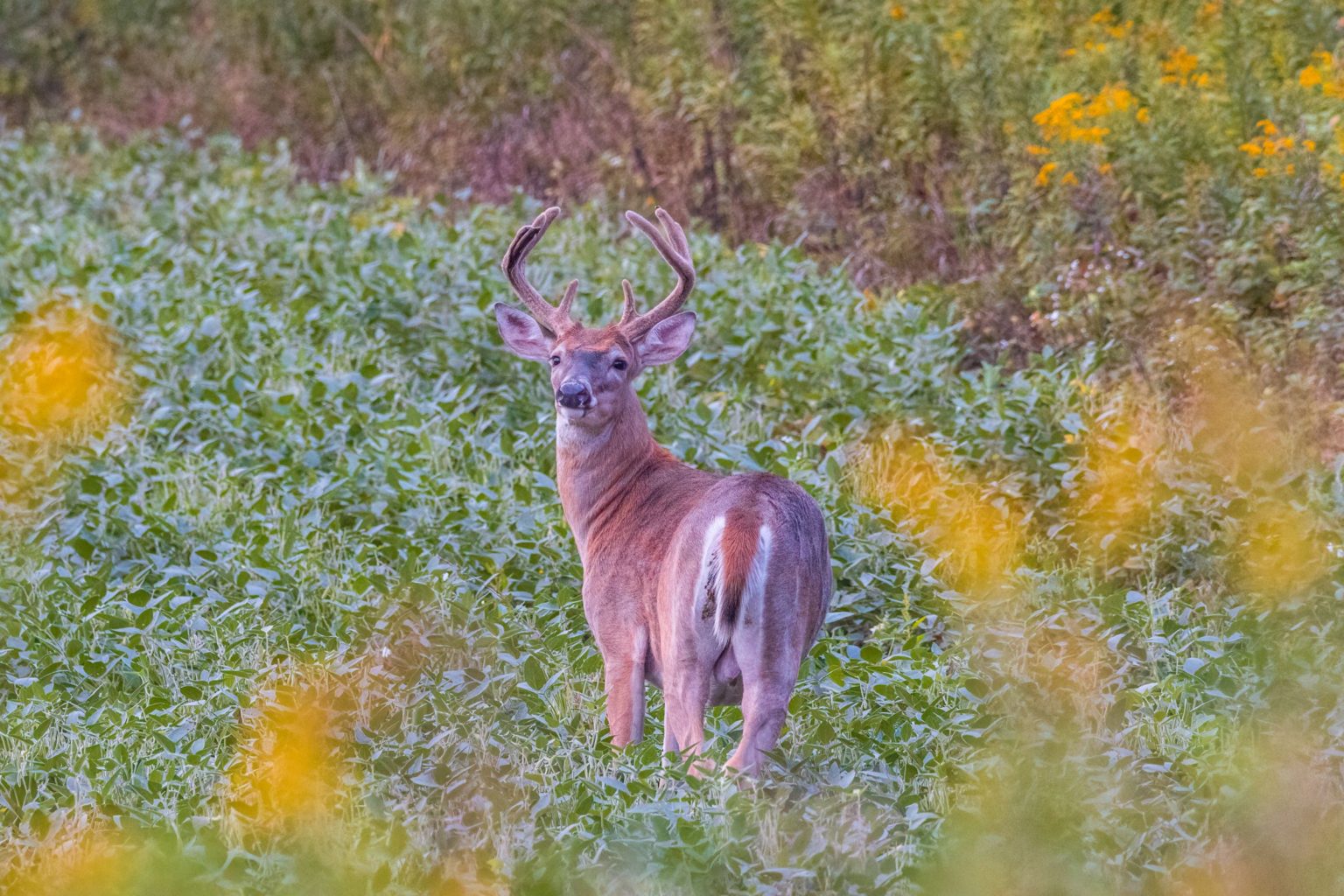
Reading the book of nature is less about knowing names and more about paying attention. Over time you begin to notice patterns: which plants return first in spring, where the deer cross, how the creek rises and falls, how every living thing gives and receives. These patterns teach us about patience, cycles, generosity and trust. Ethics, at their root, are learned from living systems: nothing in a healthy forest is wasted, and everything feeds something else.
This is also why we care for the land through regenerative practices and the conservation of rare and native plants. Tending the land is a form of prayer. We are not only readers of the book of nature; we are invited to help write its next page.
On the land: a sit spot
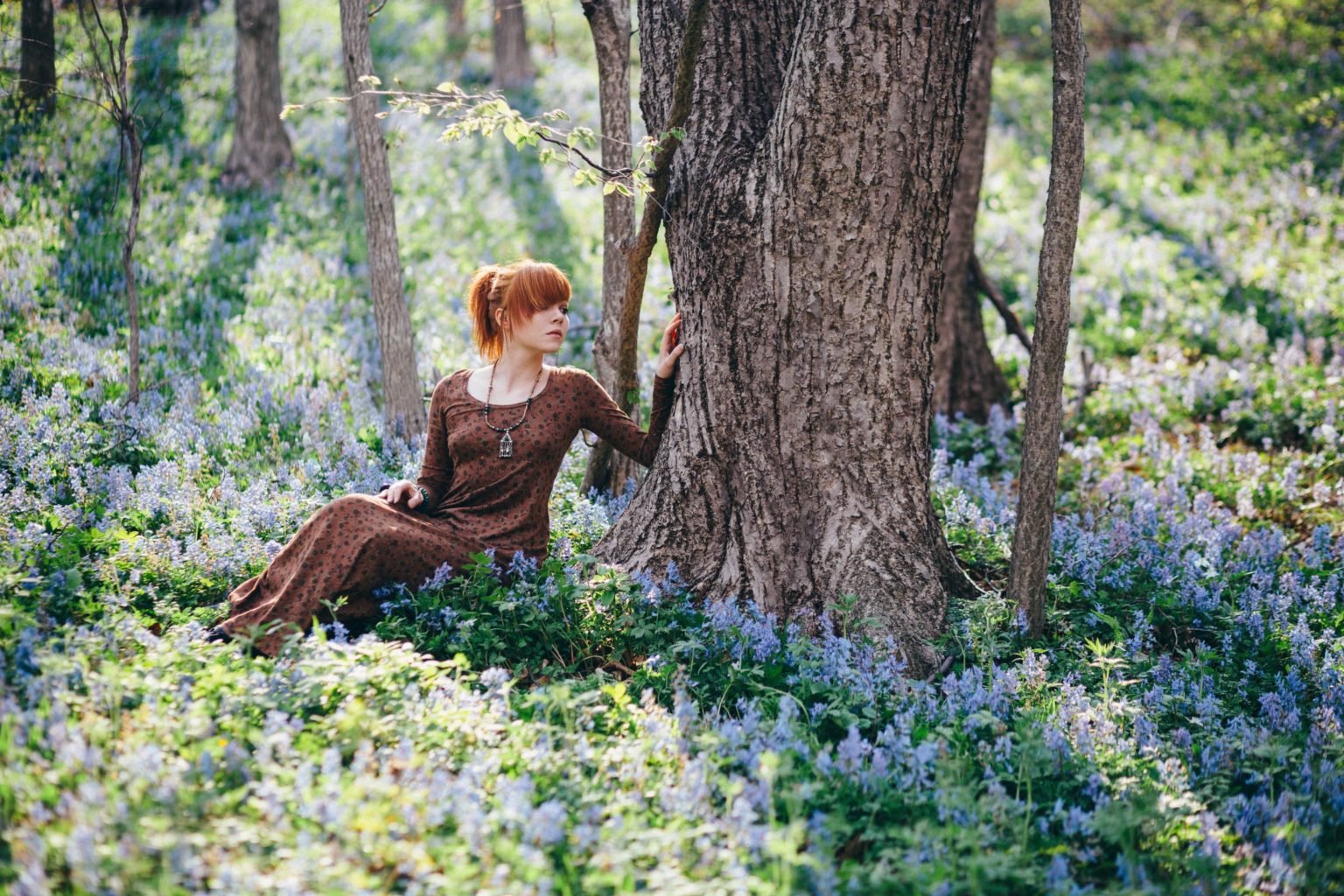
Choose one place outdoors that you can return to easily, ideally near a tree, a garden bed or water. Sit there for fifteen minutes, three or more times this week. Do nothing but watch and listen. Each time, notice one thing you did not notice the time before.
In your journal
What did your sit spot show you this week? If that place could speak a single sentence to you, what would it say?
Bring to the circle
A leaf, seed, feather or stone from your sit spot, and a few words about where you found it.
← Lesson 1: Welcome to the SanctuaryAll lessonsLesson 3: The Language of Story and Symbol →